What to Buy First for a Home Gym: A Priority List
The order to buy home gym equipment when space and money are limited, with what each item unlocks, rough price ranges, what can wait and the purchases beginners most often regret.
Disclosure: Product links on this site aren't affiliate links: we don't earn anything from them today. If that changes, we may earn a commission at no extra cost to you, and this note will say so. Parts of this article were drafted with AI assistance and edited before publishing. Read our disclaimer.
Buy the things that unlock the most exercises per dollar and per square foot first: flooring, a pair of adjustable dumbbells and a bench. Bands and a pull-up bar fill the gaps cheaply. A barbell, rack and plates come later, once you've trained at home for a while and measured the room.
This list is research-based and general, drawing on manufacturer specifications and the U.S. Physical Activity Guidelines for Americans. It isn't a hands-on test of specific products. Prices are rough ranges for new gear in the U.S. and change often, so check the current price.
How to judge any purchase
Before anything goes in the cart, ask four questions:
- What new exercises does it unlock? A bench turns one pair of dumbbells into presses, rows, step-ups and split squats. A specialty bar adds one or two lifts you can already do another way.
- How much floor does it take, and can it be put away? In a small space, gear that folds, stacks or slides under something is worth a lot.
- Will it fit under your ceiling? Racks, pull-ups and overhead presses are where low ceilings bite. Our ceiling height guide has the numbers.
- Will you use it at least weekly? If you can't picture it in your normal routine, it can wait.
The free Home Gym Planner runs a version of this for you: enter your space, ceiling, budget and goal, and it lists gear in priority order.
The priority list
1. Flooring (if you'll use weights)
Flooring isn't exciting, but it's what lets you train without worrying about the floor, the rug or the people downstairs. It also keeps a bench from sliding. Rubber stall mats (commonly 4 × 6 ft, 3/4 in thick) or interlocking rubber tiles run very roughly $2–$4 per square foot. A 6 × 6 ft area is a useful minimum for floor exercises. Details in our flooring and noise guide.
Unlocks: everything else, quietly.
2. Adjustable dumbbells
If you only buy one piece of real equipment, make it this. One pair covers squats, presses, rows, lunges, hinges and carries, and it sits in the floor space of a single pair. A pair that goes to around 50 lb (23 kg) per hand covers most beginners for a long time. Roughly $120–$500 new: spin-lock sets sit at the low end, quick-change dial types toward the top. See adjustable vs fixed dumbbells for the types.
Unlocks: a complete full-body routine, like our beginner dumbbell workout.
3. A bench
A bench roughly doubles what you can do with dumbbells: flat and incline presses, supported rows, step-ups, split squats and seated presses under a low ceiling. Flat benches run roughly $70–$200 and adjustable ones roughly $150–$400. Our flat vs adjustable bench guide helps you pick.
Unlocks: pressing and rowing variations, and a seat for overhead work in low rooms.
4. The cheap gap-fillers
- Resistance bands (roughly $20–$50 for a set): warm-ups, pull-aparts, assisted pull-ups and rows anchored in a door. More in bands vs free weights.
- A doorway pull-up bar (roughly $25–$60): the best back exercise at home for very little floor space. Check that it suits your door frame and trim; renters should pick one that doesn't need screws.
- A kettlebell (roughly $40–$100 for one): swings and carries for conditioning. One moderate bell is plenty to start.
Unlocks: pulling movements, which dumbbells alone handle less well, and conditioning.
5. The barbell setup (only if you want it and it fits)
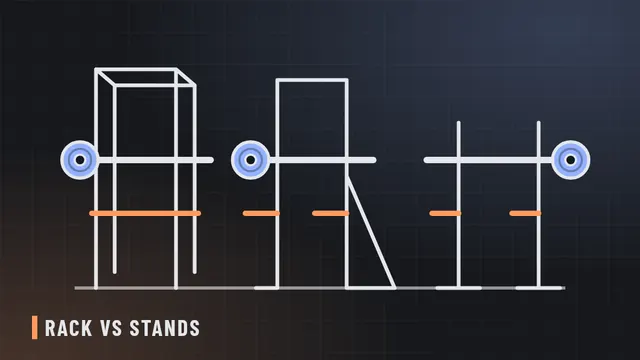
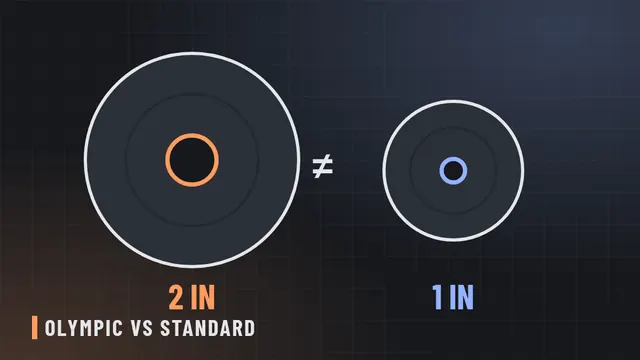
A barbell setup means squat stands or a rack with safeties, a 7.2 ft Olympic bar, plates and collars. New, it usually starts somewhere around $750 and climbs fast. It needs roughly 9 × 8 ft of floor and enough ceiling for the rack. Read power rack vs squat stands, Olympic vs standard bars and bumper vs iron plates before you buy, and use the plate calculator once you're loading the bar.
Unlocks: heavy squats, bench presses and deadlifts, and very fine-grained progress.
What can wait
These aren't bad buys. They just make more sense once you know your habits and your space:
- Large cardio machines. Treadmills, rowers and bikes take a big footprint, and a jump rope, a brisk walk or kettlebell swings cover a lot of the same ground for beginners.
- Cable machines and all-in-one gyms. Useful, but big, heavy and expensive. Bands cover many cable exercises for a fraction of the cost and space.
- Specialty bars, extra benches and accessories. Wait until a real limitation shows up in your training.
- Heavier dumbbells than you need yet. Buy for the next year or two, not for the lifter you might be in five.
Regrets beginners often mention
- Skipping the measuring. A rack that doesn't fit under a beam or a bar that can't be loaded wall to wall is an expensive return. Measure first, using our space guide.
- Buying a barbell without safeties. If you'll squat or bench alone, spotter arms, pins or straps aren't optional. See our home gym safety checklist.
- Thin foam flooring under weights. It dents, tears and does little for noise.
- Buying a full set at once. Spreading purchases over a few months lets you learn what you actually use.
What is the first thing to buy for a home gym?
For most beginners in a small space, flooring and a pair of adjustable dumbbells. Together they cover a full-body routine in about a 6 by 6 ft area. A bench is usually the next most useful buy.
Do I need a bench for a home gym?
You can start without one, but a bench adds a lot: pressing, supported rowing, step-ups and seated presses for low ceilings. It's usually the third purchase after flooring and dumbbells.
Is a power rack worth it for a beginner?
If you want to train the barbell lifts and your room has the floor space and ceiling height, a rack or squat stands with safeties is worth it. If not, dumbbells, a bench and bands will build strength for a long time.
New to exercise, or returning after a long break? Check with a doctor before starting a new program, especially if you have a health condition. See our disclaimer.