Bumper Plates vs Iron Plates for a Home Gym
How bumper plates and iron plates compare on cost per pound, noise, dropping, thickness on the bar, floor protection and storage, and which suits an apartment, garage or basement gym.
Disclosure: Product links on this site aren't affiliate links: we don't earn anything from them today. If that changes, we may earn a commission at no extra cost to you, and this note will say so. Parts of this article were drafted with AI assistance and edited before publishing. Read our disclaimer.
Iron plates are cheaper and thinner, so more weight fits on the bar and the plate tree. Bumper plates are thick solid rubber made to be dropped from overhead on a suitable floor. For most beginners doing squats, bench presses and deadlifts at home, iron (or rubber-coated iron) is enough. Bumpers earn their cost if you'll do Olympic lifts or need to protect a floor.
This comparison is research-based, drawing on typical manufacturer specifications and governing-body standards, not hands-on testing. Prices are rough ranges for new plates in the U.S. and change often, so check the current price.
The short version
| Feature | Iron plates (bare or rubber-coated) | Bumper plates |
|---|---|---|
| Rough new price | Often roughly $1–$2.50 per lb | Often roughly $1.50–$3.50 per lb |
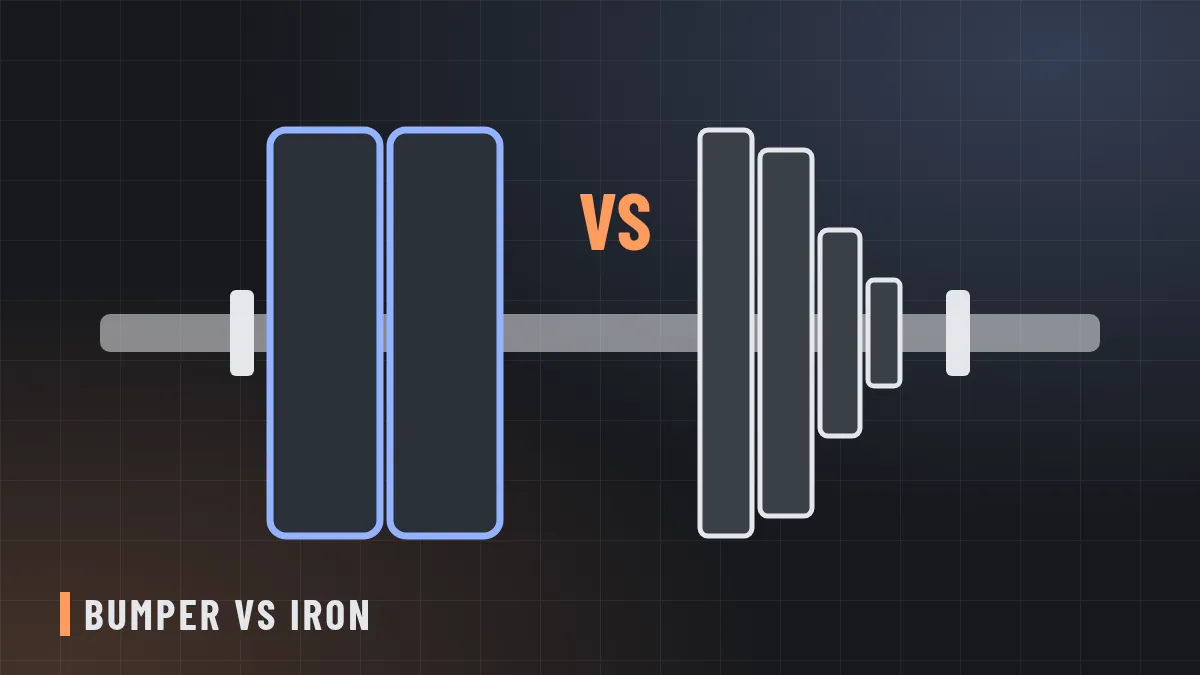
| Thickness | Thin; lots of weight fits on the sleeve | Thick; less total weight fits |
| Diameter | Big plates full size; smaller plates get smaller | Most are full size (about 450 mm) down to 10 kg or 10 lb |
| Dropping | Not designed to be dropped | Designed to be dropped from overhead onto a platform or thick rubber |
| Noise | Clangs, especially bare iron | Quieter on contact, but drops still thud |
| Deadlifts with light weight | Small plates sit low, so the bar starts lower | Bar sits at the same height at light weights |
| Storage | Compact | Takes more room |
Iron plates
Iron plates are the classic choice: cast iron, sometimes machined to tighter tolerances, sometimes coated in rubber or urethane.
- Pros: the cheapest per pound; thin, so a 7.2 ft Olympic bar has plenty of sleeve room; compact on a plate tree; very durable and easy to find used.
- Cons: loud on contact; can chip floors and other plates if dropped; bare iron can rust in a damp garage; smaller plates have smaller diameters, so light deadlifts start lower.
Rubber-coated iron is a good middle ground for home gyms: it's quieter than bare iron, kinder to the floor and other plates, and usually costs a bit more. It's still iron inside, so it isn't meant to be dropped from overhead. Many have grip handles cut into them, which helps when you're loading or carrying plates.
Bumper plates
Bumpers are solid rubber (sometimes with a steel insert at the hub). Most plates from 10 kg or 10 lb up are the same 450 mm (about 17.7 in) diameter as a full-size iron plate, but much thicker.
- Pros: designed to take drops from overhead in Olympic lifts; protect the floor and the bar when used on a platform or thick rubber; every plate puts the bar at the same height, which suits beginners learning to deadlift light.
- Cons: more expensive per pound; thick, so less weight fits on the bar (usually not a problem for beginners); take more storage room; drops still make a loud thud that travels through floors.
Two details worth knowing:
- Thin light bumpers can bend. Many makers warn against dropping a bar loaded only with the lightest bumpers (often the 10 lb / 10 kg plates), because thin plates can bend or crack. Check the manual and pair light bumpers with heavier ones when you drop.
- "Recycled" or "high-temp" bumpers are often thicker and cheaper, with more bounce. That's fine for home use; just know they take up more sleeve and shelf space.
Noise and floors: bumpers aren't a silencer
Bumpers make dropping possible, not quiet. On an upper floor, any drop sends impact noise into the ceiling below. In an apartment, the bigger wins are setting weights down under control and using 3/4 in rubber flooring, covered in our flooring and noise guide. If you need to drop deadlifts, a platform (commonly 8 × 8 ft with layered plywood and rubber) and drop pads help more than plate type alone.
Which should you choose?
- Apartment or upper floor: rubber-coated iron. You shouldn't be dropping weights anyway, and coated iron is quieter to load and unload.
- Garage or basement on concrete, squat/bench/deadlift: iron or rubber-coated iron, with rubber mats. Bare iron is the budget pick; watch for rust (see garage gym basics).
- Olympic lifts (cleans, snatches, jerks): bumpers, on a platform or thick rubber.
- Mixed: many home lifters buy a pair or two of bumpers for the bottom of the bar and use iron for everything else, which saves money and sleeve space.
How much weight to start with
Around 250 lb (110 kg) of plates is a common starting set for barbell training. It covers a good range of squats, bench presses and deadlifts for most beginners, and you can add pairs as you get stronger. Make sure your set includes small plates (5 lb and 2.5 lb, or 2.5 kg and 1.25 kg) so you can add weight in small steps. Our plate calculator shows which loads you can actually make with the plates you own, and how to load a barbell explains the math.
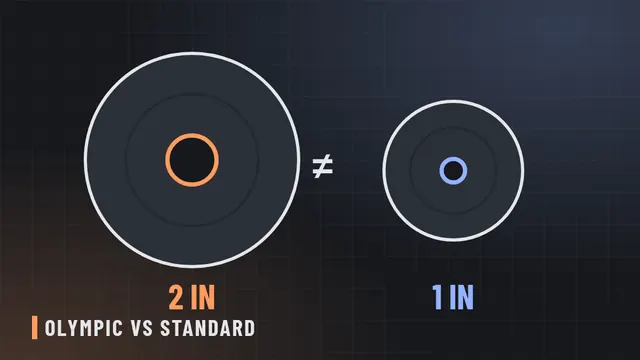
Buying used? Plates are a great secondhand buy. Check for cracks, loose hubs on bumpers, and the hole size: Olympic plates have 2 in holes and won't fit a 1 in standard bar (see Olympic vs standard).
Are bumper plates worth it for a home gym?
They're worth it if you'll do Olympic lifts or need to drop the bar, on a suitable floor. For squats, bench presses and controlled deadlifts, iron or rubber-coated iron plates cost less and fit more weight on the bar.
Can you drop iron plates?
Iron plates aren't designed to be dropped. They can chip, crack, damage the floor and bend a bar. Set them down under control, or use bumper plates on a platform if you need to drop.
Are bumper plates quieter than iron plates?
They're quieter when plates touch each other or the floor gently, but a dropped bar loaded with bumpers still makes a loud thud that travels through floors. Controlled lifting and thick rubber flooring matter more for noise.