How to Start a Home Gym on a Budget (A Beginner's Plan)
A step-by-step plan for a first home gym on a budget, from measuring your space to the order to buy gear, with rough price ranges at $300, $800 and $1,500.
Disclosure: Product links on this site aren't affiliate links: we don't earn anything from them today. If that changes, we may earn a commission at no extra cost to you, and this note will say so. Parts of this article were drafted with AI assistance and edited before publishing. Read our disclaimer.
The cheapest home gym is the one you actually use. For most beginners that means a small, flexible setup: something to protect the floor, a pair of adjustable weights, and a bench or a band or two. You can add a barbell later, once you know you'll stick with it and you've measured the room.
This guide is research-based: it draws on manufacturer specifications, equipment standards and the U.S. Physical Activity Guidelines for Americans. Prices are rough ranges for new gear in the U.S. that change often, so always check the current price.
Step 1: Decide what "working out at home" means for you
You don't need a goal written in stone, but you need a direction, because it decides what you buy first.
- Get stronger and fitter overall: dumbbells and a bench cover almost everything.
- Barbell lifts (squat, bench press, deadlift): you'll need more floor, more ceiling and more budget. See how much space you need.
- Conditioning and staying active: a kettlebell, a jump rope (if you have the headroom) and bands go a long way.
For a sense of how much is enough, the U.S. Physical Activity Guidelines recommend that adults do muscle-strengthening activity that works all the major muscle groups on 2 or more days a week, alongside 150 to 300 minutes of moderate aerobic activity. Two or three short strength sessions a week at home fits that comfortably.
Step 2: Measure before you buy anything
Three measurements decide almost everything:
- Clear floor space. Width and length of the area you can dedicate, not the whole room.
- Ceiling height, at the lowest point over your training area (beams, ducts, light fixtures and garage door rails count).
- Your overhead reach. Stand flat-footed and reach both arms straight up; measure floor to fingertips.
Put those into our free Home Gym Planner. It checks which setups fit, whether you can press overhead, and builds a starter list in priority order for your budget.
Step 3: Spend in the right order
On a budget, the order you buy in matters more than the brands. Our what to buy first guide explains what each item unlocks and what can wait; here is the short version with rough new prices:
| Order | Item | Rough new price | Budget tip |
|---|---|---|---|
| 1 | Flooring: 3/4 in rubber stall mats (commonly 4 × 6 ft) or interlocking rubber tiles | About $2–$4 per sq ft | Mat only where weights touch the floor; see our flooring and noise guide |
| 2 | Adjustable dumbbells, up to about 50 lb (23 kg) per hand | About $120–$500 a pair | Spin-lock sets are the cheapest way in; see adjustable vs fixed dumbbells |
| 3 | A bench | Flat about $70–$200; adjustable about $150–$400 | A sturdy flat bench is enough to start; check the weight capacity covers you plus what you hold |
| 4 | Bands, a doorway pull-up bar, one kettlebell | About $20–$50, $25–$60 and $40–$100 | Renters: pick a pull-up bar that needs no screws |
| 5 | Barbell setup (later, if you want it) | Usually from about $750 | Needs roughly 9 × 8 ft of floor and enough ceiling for a rack |
Steps 1 to 4 are the budget home gym. Step 5 is a separate decision: check the room with the planner first, and when you load the bar, the plate calculator does the math.
Three sample budgets
These are rough totals for new gear, not quotes.
| Budget | What it can cover | Good for |
|---|---|---|
| About $300 | Mats for a 6 × 6 ft area, resistance bands, a budget adjustable dumbbell pair or a kettlebell, a doorway pull-up bar | Full-body workouts in a corner |
| About $800 | The above, plus a better adjustable dumbbell pair and a flat or adjustable bench | Most beginner strength programs |
| About $1,500 | Mats for a 9 × 8 ft area, squat stands or an entry-level rack, a bar, plates, collars and a flat bench | Starting barbell training |
How to save money without cutting corners
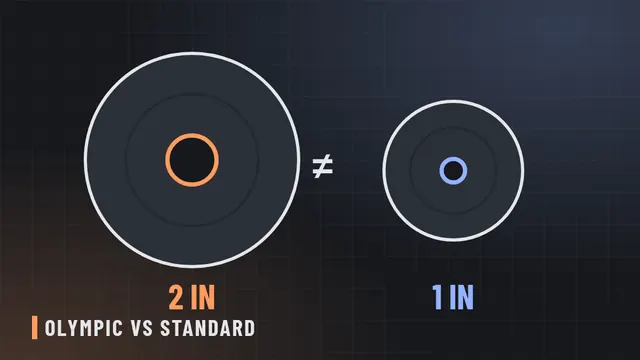
- Buy used for simple gear. Plates, dumbbells and kettlebells are hard to break, so secondhand is often much cheaper. Check for cracks and loose heads, and make sure plates have 2 in holes if you have an Olympic bar.
- Be careful with used racks and benches. Look for bent uprights, cracked welds and torn padding, and get the model name so you can find its weight rating and manual.
- Skip the gadgets at first. Machines with a big footprint, fitness trackers and specialty bars can wait until you know what you'll use.
- Don't skimp on safety gear for barbell work. If you'll squat or bench alone, budget for spotter arms or safety straps.
What is the cheapest way to start a home gym?
Start with what you already have: bodyweight exercises on a mat and a set of resistance bands cost very little. Add a doorway pull-up bar and one kettlebell or a used pair of dumbbells next.
Should I buy a barbell or dumbbells first?
For most beginners in a small space, dumbbells first. They need less room, less ceiling height and less budget, and they're quieter. Add a barbell later if you want to train the big barbell lifts and the room allows it.
How much does a basic home gym cost?
A useful dumbbell-based setup can start around $300 new and is often cheaper used. A basic barbell setup usually starts around $750 new and is commonly $1,500 or more. Prices change often, so check current prices.
Before starting any new exercise program, especially if you have a health condition or haven't exercised in a while, check with a doctor. See our disclaimer.